4.8
/ 5
491 real customer reviews
Sources:
Google (309)
Herold (182)

Usually completed in a few days rather than weeks.
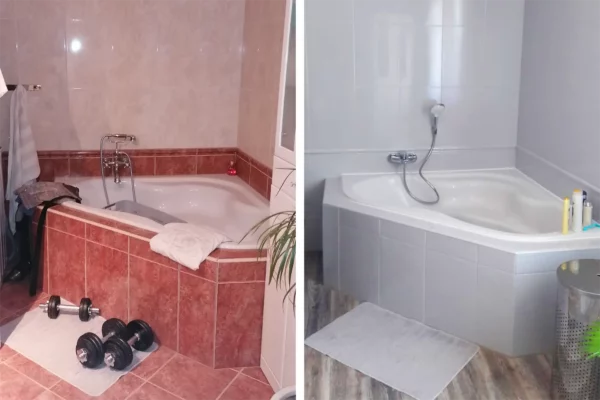 ECO bathroom Tile and bathtub resurfacing, new flooring. From €8,000.
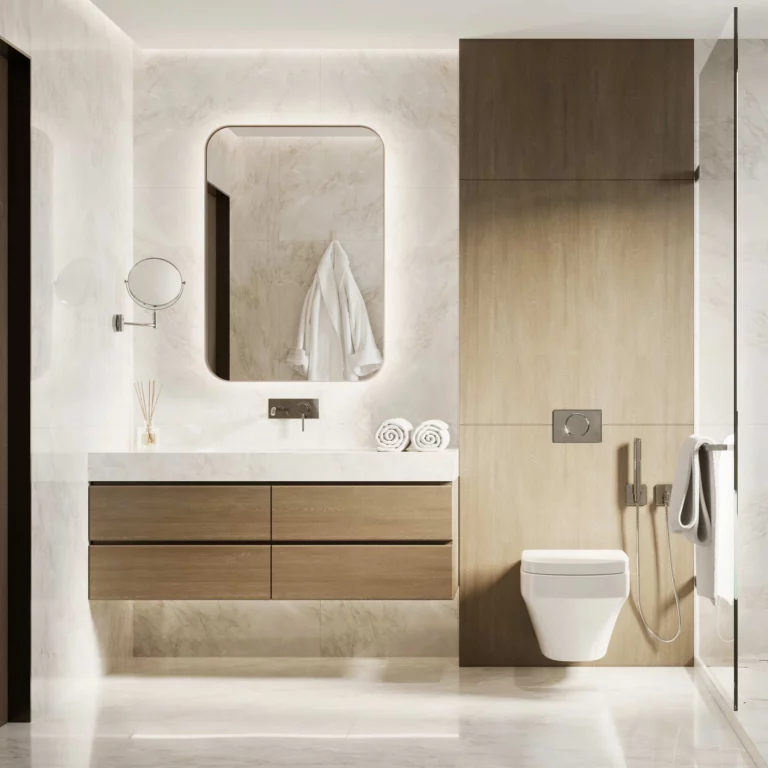
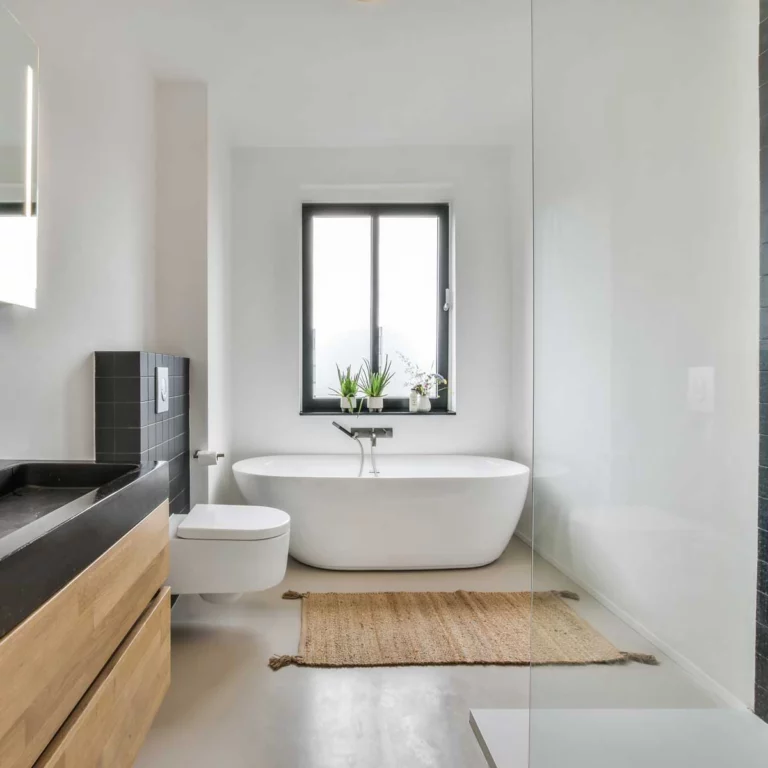
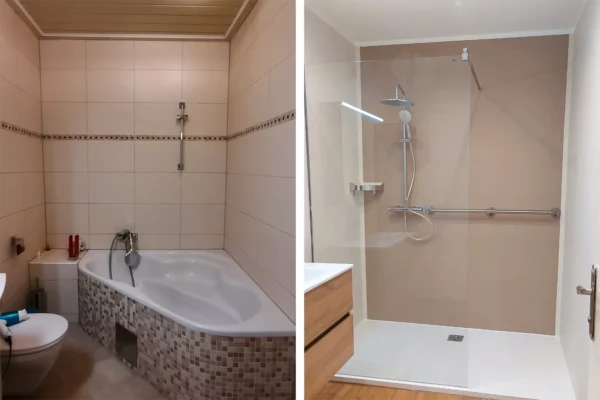 Seamless bathroom Smooth, grout-free walls, applied directly over old tiles.
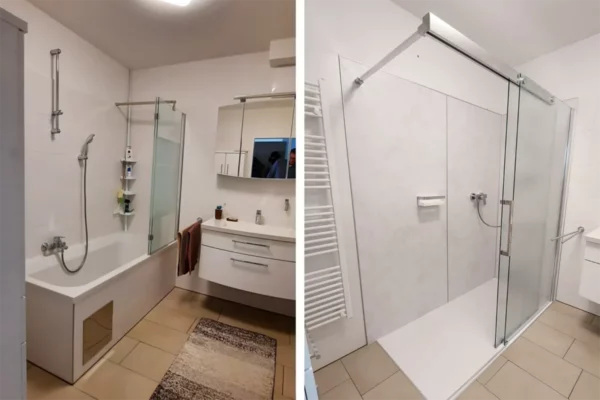 Tub out, shower in Level-access shower instead of bathtub, in 2 to 3 days.
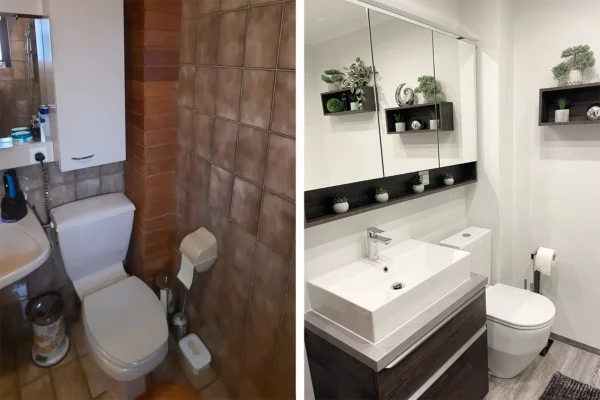 Toilet renovation Renovate the WC area at the same time.
Many tasks can be completed within a few hours or in a single day.
Many things are installed in a single day.
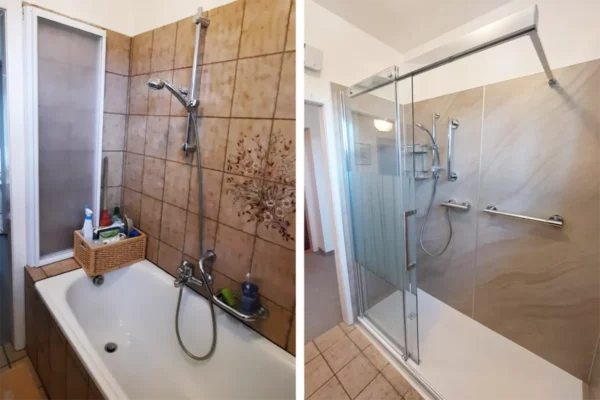 Barrier-free bathroom The entire bathroom safely planned. Grants available in Germany and Austria.
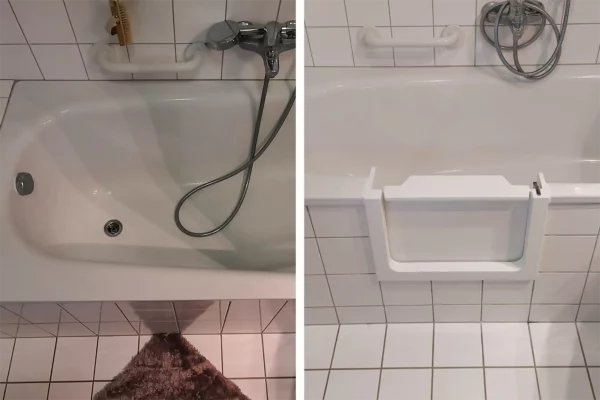 Bathtub door Step into the bath comfortably. Installation in 1 day.Tub out, shower in Level-access shower instead of a high bath rim, in 2 to 3 days.
 Make slip-resistant Slip-resistant surface for bath and shower, in around 2 hours.
Status: September 2026
Black spots in the joints, a dark edge on the silicone seam: mould in the bathroom is common because a lot of moisture is generated here every day. Small, superficial areas can be removed by yourself.
This explains which products are suitable, why vinegar and chlorine cleaners are not a good choice, and what helps if the mould keeps coming back.
 Professionally reviewed by Julien El-Bahy, bazuba headquartersAs of: 27 September 2026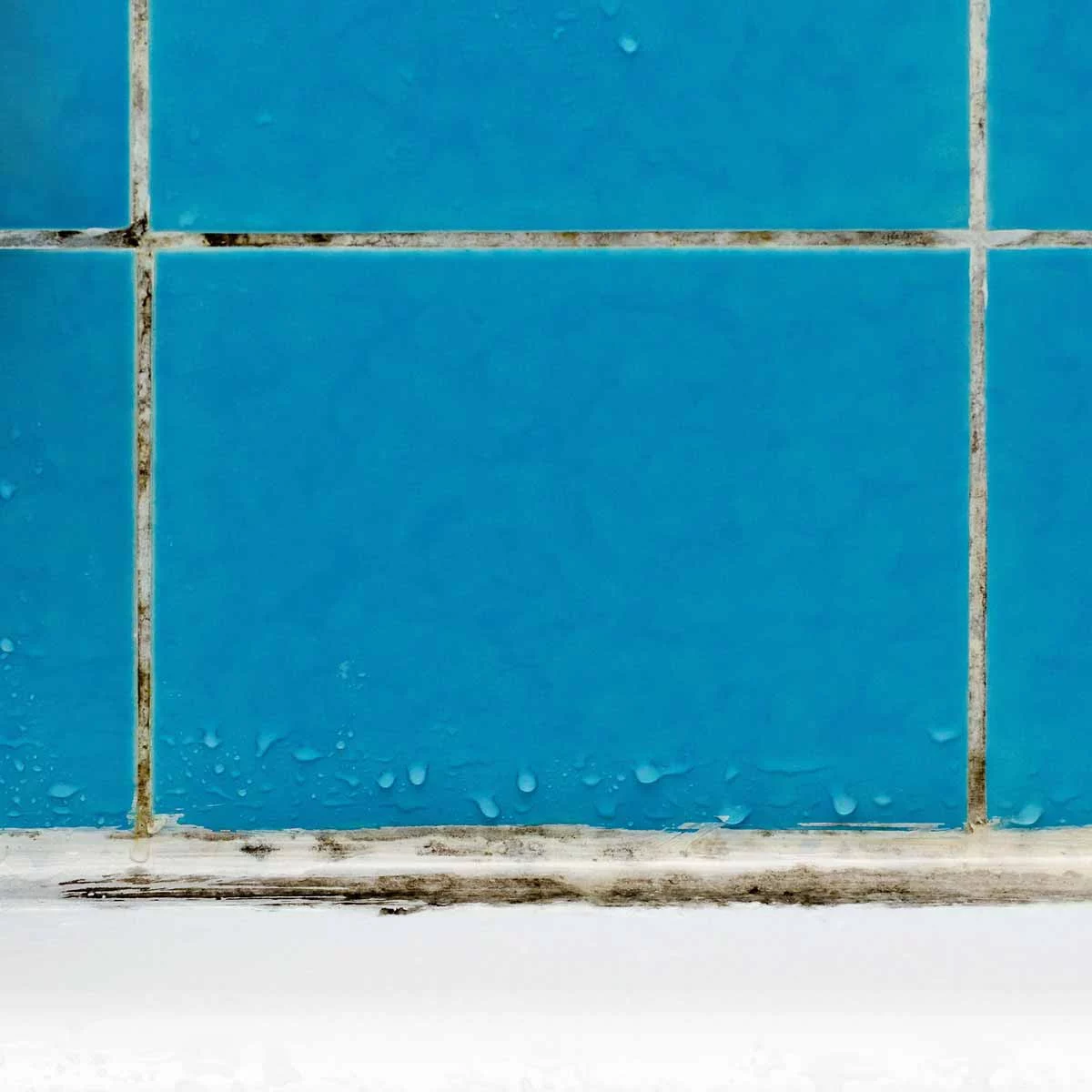
In short
You can remove small, superficial areas up to about half a square metre yourself, ideally using alcohol. If the mould is in the silicone, only a new joint will help. To prevent it from returning, you must eliminate the moisture.
Specialist company: for larger areas, mould behind the bath, or if you have allergies or a respiratory condition. More information
Information according to the guide "Mould in the Home" by the Federal Environment Agency. As of: 27 September 2026. Professionally reviewed by Julien El-Bahy (bazuba Central Office).
Mould needs moisture and something to feed on. In the bathroom, it finds both: steam from showering, which settles on cool walls and in corners, as well as soap residue and skin flakes in joints and on silicone. If the room is not ventilated often enough or the shower remains wet after use, that is already sufficient.
Less commonly, damage is the cause: a leaking silicone joint allowing water behind the bath, a cracked tile joint, or a leaking pipe. If mould keeps appearing in the same place despite ventilation, the cause should be investigated.
The German Environment Agency gives the rule of thumb: superficial mould up to about half a square metre can be removed by yourself, provided you have no allergies, no chronic respiratory disease, and no weakened immune system. For larger areas or if the mould has penetrated deep into the material, renovation should be carried out by a specialist company.
When removing mould, wear gloves, safety goggles, and an FFP2 mask, and ventilate the room well during the process.
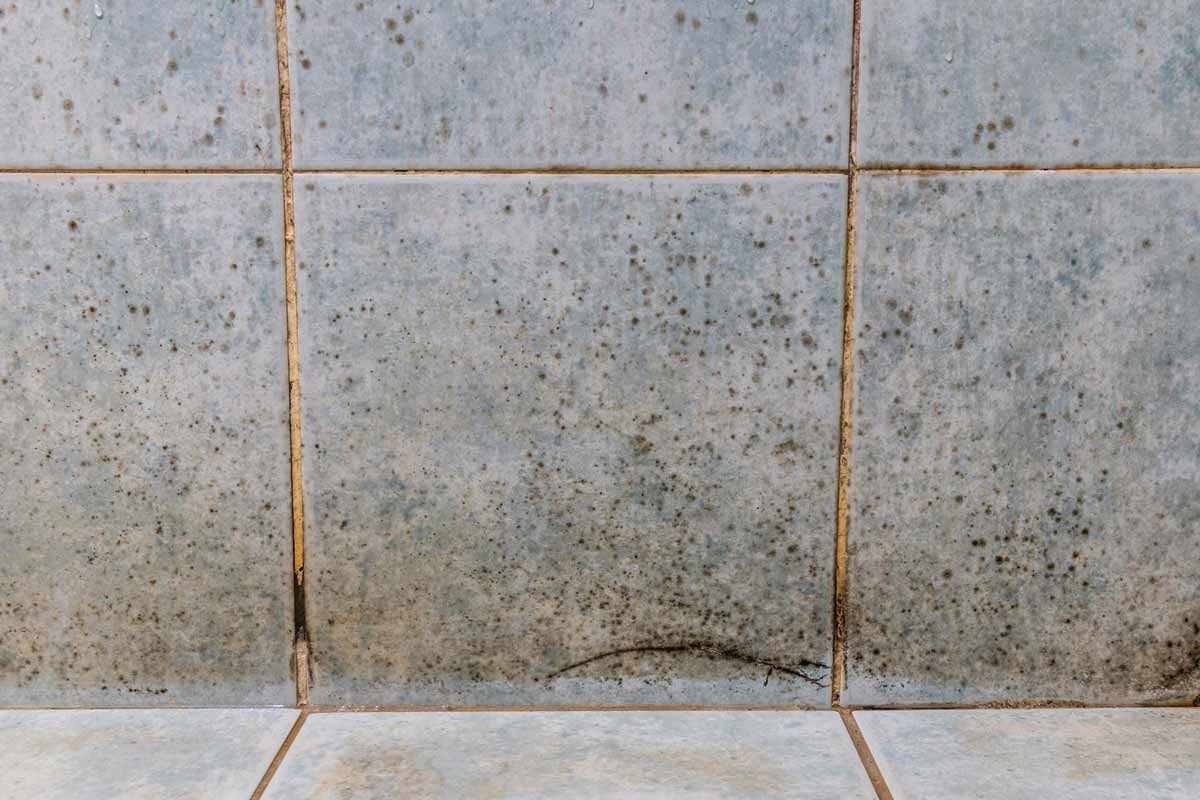
For smooth surfaces such as tiles, the German Environment Agency recommends 70% ethyl alcohol (ethanol), and 80% for damp surfaces. It is available at pharmacies and drugstores. It kills the mould and then evaporates without leaving residues. Alcohol is flammable: use only small amounts, do not smoke, avoid open flames, and ventilate well.
| Agent | Assessment | Why |
|---|---|---|
| Alcohol (ethanol) | recommended | 70% on dry surfaces, 80% on damp surfaces. Works and evaporates without residue. |
| Vinegar | not advisable | Lime in joints and plaster neutralises the acid, and residues can serve as food for mould. |
| Chlorine cleaner | use with caution only | Bleaches the stains, but often does not kill deep-seated mould and affects air quality. |
| Fungicide sprays | not recommended | The German Environment Agency advises against using fungicides indoors. |
If you still choose a chlorine cleaner: never mix with other cleaners, especially not with acidic ones, as this produces toxic chlorine gas. Ventilate thoroughly during and after use and rinse well with water. Coloured joints may become permanently discoloured.
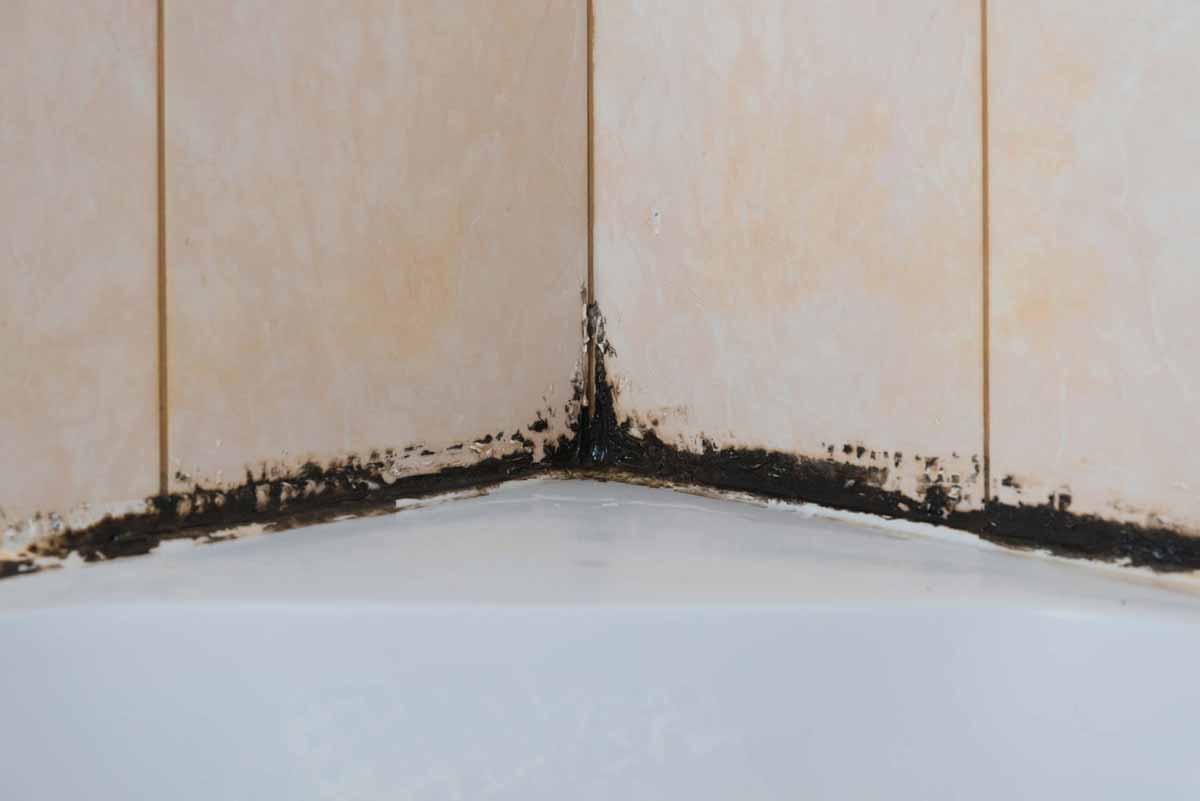
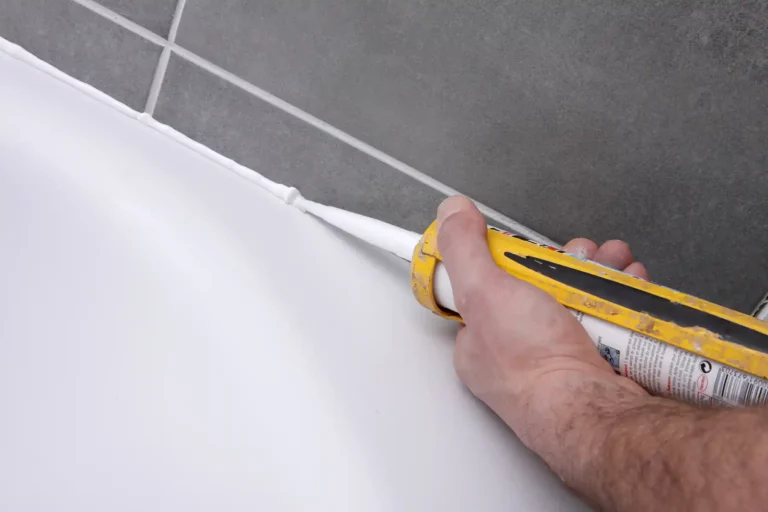
With silicone, mould rarely sits only on the surface. It grows into the soft material, which is why the black spots soon return after wiping. The only permanent solution is to completely remove the joint, clean the substrate with alcohol, allow it to dry, and re-seal. Our guide shows you how to do this. Renew silicone joints.
If you do not wish to do this yourself: With our joint renovation we renew silicone and tile joints and treat the mould at the same time, usually within one day.
Mould in the joints?During joint renovation, we renew the joints and treat the mould at the same time, usually within one day. Free inspection in Germany and Austria.
Mould will not return if it lacks moisture. This is what matters:
If mould keeps returning despite ventilation and new silicone joints, the problem is often the joints themselves: old tile joints become porous, absorb water, and hardly dry out anymore. In this case, reducing the area exposed to mould can help.
If you have damp walls, a musty smell, or mould behind the bath, the cause should be identified first. We will inspect this during the free site visit.
Yes, if the mould is superficial and not larger than about half a square metre. This is the advice of the German Environment Agency, provided you have no allergies, no chronic respiratory disease, and no weakened immune system. Larger or deeper damage should be handled by a specialist company.
On smooth surfaces such as tiles, use 70% ethyl alcohol (ethanol), and 80% on damp surfaces. Apply to a cloth, wipe the area while damp, allow to work, and wipe again. Wear gloves and ventilate well during the process.
Usually not. According to the German Environment Agency, the lime in joints and plaster neutralises the acid, and vinegar can introduce nutrients to the material that may even promote fungal growth. Acid also makes silicone porous more quickly.
Permanently not at all, as the mould grows into the silicone. The joint must be removed: remove the old joint, clean the substrate with alcohol, allow to dry, and re-seal. This can be done yourself or by a specialist company during a joint renovation.
Mould spores can trigger allergies and irritate the respiratory tract. People with allergies, respiratory diseases, or weakened immune systems are particularly sensitive. Infestation should therefore not be allowed to spread, but removed early and the cause remedied.
Usually because moisture remains: insufficient ventilation, cold walls, or wet surfaces after showering. Often, old, porous joints or silicone into which the mould has grown are the cause. Less commonly, water damage is behind it.
After every shower or bath and otherwise several times a day, ventilate briefly by opening the window fully for 5 to 10 minutes. In a bathroom without a window, the fan takes over, which should continue running after showering.
If the affected area is larger than about half a square metre, the mould is deeply embedded in the material, the walls are damp, or there is a musty smell behind the bath. You should also avoid removing it yourself if you have allergies or a respiratory condition.
„On the recommendation of a friend, we got in touch with bazuba Rostock for our bathroom renovation. Since it’s a rental apartment, there were quite a few things to consider with the landlord/owner’s approval, but we were able to implement many individual wishes at our own expense. The initial contact was very pleasant, and first, an assessment was made, and of course, the initial ideas and wishes for the project were recorded. The basic task was to transform the over 20-year-old tiled bathroom with an old bathtub into a modern seamless bathroom with a walk-in rain shower. The company’s showroom had quite a few displays, where we could get our first personal impressions. Then we put together the rest from the catalogs, and we also relied on the advice and recommendations of the boss there, who contributed some great ideas. Then we received an offer with a 3D visualization of the finished bathroom. This allowed us to work very well together with the owner and bazuba on the details and arrive at a final result. The correspondence between bazuba and the owner also went very smoothly, and we were very well informed about delivery times, construction times, and the entire process up to the finished bathroom. We helped set up the construction site by covering the floor and cabinets, and the company’s employees were very friendly and informative about the work steps. We hardly had to ask anything because every morning we were informed about what would happen that day until quitting time. The announced construction time was even undercut by 2 days because everything really fit together, and the trades worked hand in hand. The handover and the finished result, including explanations of all the components, care instructions, and warranties, worked wonderfully and were presented to us very transparently. All in all, we are very satisfied with the result, and for the small space available, it almost feels like being in a good hotel when you step into the shower in the morning 😉 I can definitely recommend bazuba Rostock and am happy to show some before-and-after pictures. It’s not decorated or furnished yet, but it’s about the raw result."
Auto-translated from German
„Complete renovation of bathroom and WC — After weeks of searching online for a company that could take on our project (complete renovation of bathroom and WC), we came across bazuba. Although all customer reviews pointed to an outstanding company, we still felt the need to visit the company location in Guntramsdorf in person first. But from that moment on, it was clear to us that only this company was suitable for our project. The exceptionally warm, competent, polite, friendly, and patient team immediately convinced us. From then on, everything went very quickly. We arranged an inspection appointment with Mr. Weninger. The inspection, consultation, measuring, and addressing special requests all took place in a very friendly and relaxed atmosphere. The gentleman was very patient and really took a lot of time for us, only leaving once even the smallest detail was clarified. After the very detailed offer and placing the order, the renovation work began punctually on the agreed date. From here on, I have to keep it short, otherwise I would need two more pages. ALL involved, whether subcontractors or the truly outstanding bazuba specialists, carried out their tasks so competently, punctually, cleanly, almost dust-free, quickly, friendly, politely, courteously, professionally, precisely, and expertly that words almost fail me. The continuous support and (after)care of my project are also worth highlighting. After completing the very extensive work, I now have two real gems (bathroom and WC), and I find myself spending much more time there than really necessary. The conclusion of a highly satisfied and enthusiastic customer: the best 10-star company I have ever dealt with. I have recommended and will always recommend bazuba."
Auto-translated from German
„Everything just fits perfectly! :o) We had bazuba renovate our roughly 50-year-old bathroom and the equally old toilet, and also modernize the shower in the second bathroom. From the very first (phone) contact, we had a good feeling. Bathroom planner Raffael came to our home and went through the various steps with us, giving us good advice and showing a lot of patience. We were also able to talk openly about the price, and in the end he gave us an offer we were very happy with. We had also gotten quotes from competitors, which were noticeably more expensive—we’re talking +50% or more. The implementation then went perfectly. First came the demolition team, then the electricians, the plasterers/floor layers, and finally the installation team. Overall, the work took almost three weeks, but that was agreed on beforehand and so was fine. All the workers always arrived as scheduled, were very friendly, explained a lot to us, and did a great job. We were also very grateful that they pointed out some possible/necessary improvements. Our spontaneous change requests were welcomed and carried out. At the same time, planner Raffael and project manager Anel were always reachable and responded quickly to our questions. The result speaks for itself: from old-fashioned, dark rooms with very worn installations, we now have bright, modern wet rooms that you enjoy entering again. The planning concept was implemented 100% in reality and at what we think is a really fair price. No trouble with the craftsmen at all—in fact, it was a pleasure, and we can warmly recommend the entire bazuba team."
Auto-translated from German
„Due to water damage in 2023 and subsequent repair work by a specialist company, we were then looking for a company to get our bathroom back in shape. This turned out to be not so easy; local companies either declined due to lack of time or didn’t show up despite appointments. Through internet research, we came across bazuba in Karlsruhe. We quickly had a first appointment with Mr. Glutsch. He arrived on time at our place, listened to our ideas about remodeling the bathroom, and shared his professional knowledge and comments. He took measurements, made notes, and promised to prepare an offer, which arrived in the shortest time. Due to several work appointments with bazuba, he already told us in advance that the work would be delayed and we should expect a date in March/April. But that didn’t matter to us in the end, since thanks to the preliminary work of the renovation company, we could still use our 30-year-old bathroom. When choosing the ceramics and the walk-in shower, we were with Mr. Glutsch at C.Ufer in KA (top advice!). In April, the work started on our partially renovated bathroom. After about 2 weeks, we could fully use our new bathroom; for the shower enclosure, we had to make do with a temporary solution, which was replaced after 5 weeks by a glass partition from Kermi. All in all, we were very impressed by the support and advice from bazuba (special thanks to Mr. Glutsch). A big compliment to the two skilled workers responsible for the work!! Without a doubt, 5 stars for bazuba."
Auto-translated from German
„Good decision! — We chose BAZUBA because of a report on an online portal... and we have no regrets! Our wishes were discussed and planned in the showroom with an incredible amount of patience. Even changes and special requests before the renovation started were implemented quickly and easily. The entire construction team also deserves mention – everyone was without exception polite and friendly. I especially want to mention Mr. Robert, who brightened every one of our site visits with his good mood. In hindsight, we can now list the following reasons why we recommend BAZUBA to everyone: 1.) The price – All other quotes were about 25% higher than BAZUBA’s. 2.) The team – As already mentioned, patience and friendliness are top priorities here. 3.) The planning – None of our wishes were considered impossible. Even special requests were gladly fulfilled. 4.) The working time – A conventional renovation would have taken at least 4 weeks and the whole house would have been dusty. BAZUBA finished on schedule in 2 weeks. 5.) The quality – Nothing wobbles, nothing is scratched. The bathtub looks like new. The walls are flawless. Every joint fits perfectly. 6.) The look – We chose a seamless bathroom. Compared to tiles, our bathroom now feels much friendlier and warmer. 7.) The warranty! All in all, we are satisfied customers and would have our bathroom renovated by BAZUBA again anytime."
Auto-translated from German
„Perfect! Absolutely recommend. — Tub out and shower in! From start to finish, we can only give the highest praise. The consultant, Mr. Raffael Weninger, gave us excellent advice at home. He took our needs into account and came up with a perfect plan for us with his great ideas. The craftsmen also deserve the highest praise. They were extremely careful to avoid dust and dirt, which is not easy with this kind of work. The first two days, two careful installers took on their responsible tasks. After all, all newly laid water pipes and drains have to be completely sealed. The third and fourth days belonged to the quick gentlemen Jànos and Gàbor, who were able to complete this partial renovation on time — without taking a break! It must be said that all "our" four craftsmen are extremely friendly and hardworking. Otherwise, our project would not have been completed perfectly in this relatively short time. On the third day, the company owner visited us, checked on the progress, and asked about our satisfaction so far. That builds trust. Now we enjoy our new shower pleasure every day! We gladly recommend this company with its great employees. Warm regards! Christian & Sylvia Karner"
Auto-translated from German
„NEW BATHROOM For about 3 weeks now, we have been proud owners of a seamless bathroom and toilet. The first team from bazuba arrived on time and very punctual, professionally covering everything from the front door up to the bathroom, including the stairs, and began dismantling the old sanitary fixtures, disposing of everything no longer needed. From then on, things moved quickly every day. Congratulations to your employees. Everyone was extremely friendly, polite, and really hardworking. No matter what was being done, we were always asked if everything was okay or if we had other wishes. The new walk-in shower is truly a dream, the walls seamless and so beautifully bright, and the floor really very nice and easy to maintain. The toilet was done in the same style. Simply beautiful. I wanted to wait with the review until I got used to the new bathroom. Every morning, when I enter our beautiful bathroom, I am very happy. No matter which team was on site, all employees did professional work. We will always remember bazuba from Guntramsdorf fondly and will gladly recommend them. Thank you very much for everything. Best regards, Renate P."
Auto-translated from German
We will inspect your bathroom free of charge and provide a fixed price after the visit. Prefer to call? Free from Germany on 0800 90 44 2000, from Austria on 0800 66 55 36.
Sie sehen gerade einen Platzhalterinhalt von Vimeo. Um auf den eigentlichen Inhalt zuzugreifen, klicken Sie auf die Schaltfläche unten. Bitte beachten Sie, dass dabei Daten an Drittanbieter weitergegeben werden.
Mehr InformationenSie sehen gerade einen Platzhalterinhalt von YouTube. Um auf den eigentlichen Inhalt zuzugreifen, klicken Sie auf die Schaltfläche unten. Bitte beachten Sie, dass dabei Daten an Drittanbieter weitergegeben werden.
Mehr Informationen